Football’s Memory Beyond the Pitch: Panini and the Invisible Professions That Add Value to the Game
Panini’s sticker albums are more than collectibles. They reveal the invisible professions that help football become a cultural experience — from design and licensing to marketing, publishing, product development and fan engagement.
Football is often thought to begin on the grass. With a pass, a run, a tactical shape, a gesture from the coach on the touchline, or the rising voice of the stands. Yet the true story of football is not written only within ninety minutes. This game begins long before kick-off; sometimes in a child’s hand holding a sticker packet, sometimes on the empty page of an album, sometimes in a small ritual that brings football fans around the world together around the same excitement.
For many people who want to work in football, the first career paths that come to mind are usually connected to the pitch. Coaching, scouting, match analysis, player development, performance tracking, club operations… Each of these areas is an essential part of the game. But football is no longer only the world of players chasing the ball or technical staff shaping the match from the sidelines. Modern football is a vast industry that also includes design, publishing, licensing, marketing, product development, fan experience and cultural memory.
One of the most special examples of this wider world is Panini.
Panini sticker albums, especially during the periods leading up to the World Cup and the European Championship, have become one of football calendar’s quiet but powerful signals. The tournament has not yet begun. National teams may still be preparing their squads, stadiums are getting ready, broadcasters are counting down the days. But somewhere, the excitement has already started. An album is bought. The first packet is opened. A footballer’s face appears on a small piece of paper. One of the empty pages begins to fill.
At that moment, the tournament has already begun, even before the first whistle.
This is where Panini’s place in football culture truly lives. These albums are not merely collections of stickers. They are football made tangible. They are a visual memory that gathers the colours, squads, shirts, crests and stars of a tournament into small squares. For children, they are a discovery. For adults, nostalgia. For collectors, an archive. For football fans, another way of connecting with the game.
Completing a Panini album is, in its own way, a small football journey. A missing goalkeeper, a rare team crest, the same midfielder appearing again and again, swaps with friends, a national team page finally completed… Each of these moments strengthens the social side of football. Here, football stops being only a game to watch. It becomes something to share, collect, anticipate and remember.
But behind this cultural ritual lies a great deal of professional work that often remains unseen.
A Panini album does not simply appear on its own. The selection of player photographs, licensing agreements with federations and tournament organisers, the visual language of the album, the layout of team pages, the planning of special stickers, print quality, packaging, distribution networks, retail strategy, advertising campaigns and digital collectible products… All of these elements reveal the complex yet creative structure of the football industry beyond the pitch.
That is why Panini is such a valuable example for anyone thinking about a career in football. It reminds us of something important: you do not always need to stand by the touchline to contribute to the game. A graphic designer, a product manager, a licensing specialist, a brand strategist, a content editor, an operations coordinator, a marketing professional or a digital experience designer can also be part of football.
In fact, some of the roles that carry football’s emotion most powerfully are not always at the centre of the game, but around it.
What Panini has achieved for decades is exactly that. The brand has transformed not only football’s competition, but also its memory, curiosity and anticipation into a product. The pages of an album are not filled only with player photos. They hold the football aesthetics of an era, the shirts of national teams, the spirit of a tournament, childhood memories and the shared excitement of millions of people.
This is why Panini is a special case study for anyone working, or hoping to work, in sports marketing and football product development. Because this is not only a collectible product. It is fan engagement. It is brand loyalty. It is a football language that extends and deepens the tournament experience.
The greatness of football is hidden partly in this. The game does not live only through the stars on the pitch. It grows through those who tell its stories, design its products, market its experiences, document its history, organise its operations and create moments that touch the fans. The person designing a club shirt is part of football. So is the team preparing the layout of a tournament album. So is the professional managing a licensing agreement.
The football industry has a much wider professional map than many people imagine. Clubs, federations, sports brands, media companies, broadcasters, data platforms, collectible companies, event teams and digital product developers all occupy different points on that map. Each of them adds a different kind of value to the game. Each of them helps football become not only something played, but something experienced.
In this sense, Panini is a symbolic example. A small sticker packet shows how football can become a large cultural economy. Inside that packet, there is not only a player photo. There is licensing, design, production, distribution, marketing, collection psychology and, most importantly, a story that touches the emotions of football fans.
For those who want to work in football, the message of this story is clear: there is not only one way to be part of the game.
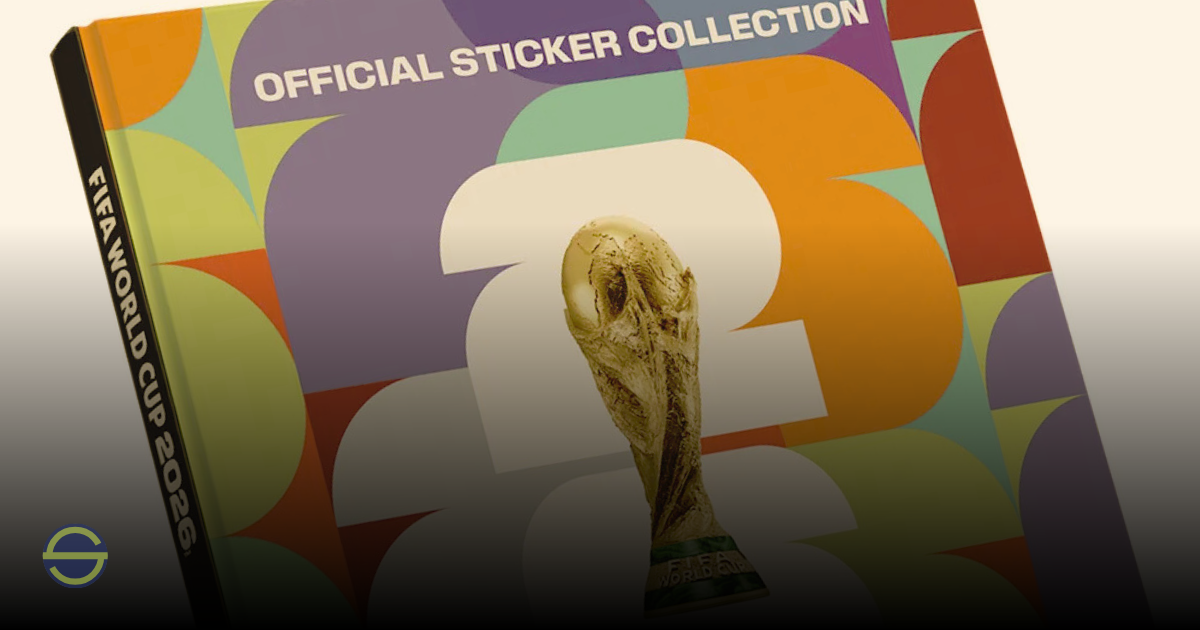
Sometimes a contribution to football does not begin on a tactics board. It begins on an album cover. In a brand idea, a product strategy, a visual design, a fan campaign, or a small sticker packet that starts the tournament excitement weeks before kick-off.
Football is played on the pitch, but it does not grow only on the pitch.
It grows through coaches, players and scouts, but also through designers, editors, licensing specialists, marketers, product developers and the professionals who keep collection culture alive.
Panini’s story tells this truth in a simple but powerful way.
Because sometimes football’s most unforgettable memories are not hidden in a goal, but between the pages of an old album opened years later.