Arquitetos do milagre: os treinadores das seleções estreantes na Copa do Mundo
Cabo Verde, Curaçao, Jordânia e Uzbequistão chegam à Copa do Mundo de 2026 com muito mais do que histórias de estreias históricas. Por trás de cada seleção há um treinador moldando sua identidade, sua confiança e o romantismo do futebol no maior palco do esporte.
À medida que a Copa do Mundo cresce, ela não acrescenta apenas mais partidas ao calendário. Também amplia o mapa emocional do futebol.
A Copa do Mundo da FIFA 2026 não é somente um torneio de gigantes, favoritos e estrelas globais. É também um palco para países que entram pela primeira vez sob as luzes da maior competição do esporte.
Cabo Verde, Curaçao, Jordânia e Uzbequistão não chegaram apenas com seus elencos, bandeiras e hinos nacionais. Cada uma dessas seleções traz uma história moldada pelo homem que a orienta à beira do campo.
Suas trajetórias nos lembram de algo que o futebol frequentemente esquece em meio ao barulho do espetáculo moderno: um milagre nem sempre é um gol marcado no último minuto.
Às vezes, o milagre é um país descobrindo sua própria linguagem futebolística depois de anos de espera. Em outras ocasiões, é uma equipe aprendendo a se manter de pé em um lugar onde ninguém imaginava que ela pudesse pertencer.
Por isso, o coração desta história não pertence apenas às estrelas.
Ele também pertence aos arquitetos do milagre que estão por trás delas.
Bubista: o líder que nasceu da alma do futebol cabo-verdiano
A história de Cabo Verde representa uma das formas mais puras do romantismo da Copa do Mundo.
Uma pequena nação insular. Uma diáspora forte. Uma cultura de futebol transmitida por oceanos, famílias e gerações.
E finalmente, depois de anos de confiança silenciosa, a primeira aparição no maior palco que o esporte pode oferecer.
No centro dessa história está Pedro Leitão Brito, conhecido simplesmente como Bubista.
Bubista não é um treinador estrangeiro contratado para salvar o futebol cabo-verdiano. Ele faz parte de sua memória.
Ex-zagueiro e capitão da seleção, ele já carregou a identidade de seu país dentro de campo. Como treinador, levou essa mesma identidade para a área técnica.
O empate sem gols de Cabo Verde contra a Espanha em sua primeira partida de Copa do Mundo foi muito mais do que um resultado. Foi uma declaração feita sem a necessidade de levantar a voz.
Cabo Verde não dominou a posse de bola. Também não tentou imitar uma cultura futebolística que não lhe pertencia. Em vez disso, compreendeu a partida que tinha pela frente: defender com inteligência, manter o time compacto, sofrer em conjunto e nunca permitir que o tamanho da ocasião se tornasse maior do que a própria equipe.
Diante de uma das grandes potências do futebol, os cabo-verdianos mantiveram a calma.
E naquela serenidade havia dignidade.
Para os países menores, esta é uma das grandes lições da Copa do Mundo. Pertencer a esse nível nem sempre significa controlar a partida.
Às vezes, significa saber quem você é, proteger essa identidade e se recusar a desaparecer sob o peso de um adversário mais forte.
O Cabo Verde de Bubista encontrou uma das formas mais silenciosas e, ao mesmo tempo, mais poderosas de dizer:
Estamos aqui.
Dick Advocaat: o velho sábio de Curaçao
A história de Curaçao começa em outro lugar: na experiência.
Seu treinador, Dick Advocaat, é uma das figuras mais experientes do futebol mundial.
Ao longo de várias décadas, trabalhou em diferentes países, culturas futebolísticas e ambientes emocionais. Conhece o peso do futebol de seleções. Sabe como um torneio pode mudar por causa de um único erro, um instante ou até mesmo uma respiração.
Para Curaçao, sua presença não tem apenas valor tático. Ela também possui uma enorme importância psicológica.
Um país que disputa sua primeira Copa do Mundo precisa de muito mais do que uma formação ou um sistema de jogo. Precisa de alguém capaz de fazer o extraordinário parecer administrável.
Alguém que possa explicar aos jogadores que o barulho, as câmeras e toda a história ao redor deles não são inimigos, mas fazem parte da própria partida.
A pesada derrota de Curaçao para a Alemanha na estreia foi dolorosa no placar. No entanto, algumas histórias de Copa do Mundo são muito maiores do que os números.
Para Curaçao, estar ali já representava um ato histórico.
Marcar o primeiro gol do país em uma Copa, ouvir o hino nacional e ver sua bandeira naquele palco são momentos que uma nação continuará carregando muito depois do apito final.
Advocaat aparece nessa história como a velha mente do futebol conduzindo um jovem sonho nacional.
Aos 78 anos, ele próprio se tornou um dos símbolos do torneio: um treinador cuja longa jornada pelo futebol acabou levando-o a uma das seleções mais novas da história da Copa do Mundo.
Nem todo milagre é construído por um jovem revolucionário.
Às vezes, ele é moldado por um homem que já viu quase tudo no futebol e que, mesmo assim, continua escolhendo ficar à beira do campo.
Jamal Sellami: o guardião da ascensão da Jordânia
A chegada da Jordânia à Copa do Mundo não aconteceu de repente.
Nos últimos anos, o país se transformou em uma das histórias mais marcantes do futebol asiático. A campanha até a final da Copa da Ásia da AFC deu à Jordânia confiança, estrutura e uma nova percepção do que poderia ser possível.
A equipe já não era apenas uma seleção resistente, admirada por sua entrega. Estava se tornando um time com identidade própria e reconhecível.
Jamal Sellami herdou esse impulso.
Sua história pessoal acrescenta uma nova dimensão à trajetória jordaniana.
Ex-meio-campista marroquino, Sellami viveu a Copa do Mundo de 1998 como jogador. Construiu sua reputação no futebol do Marrocos, defendeu o Raja Casablanca, passou pelo Beşiktaş e, mais tarde, iniciou a carreira como treinador.
Na Jordânia, encontrou um cenário futebolístico diferente e uma equipe pronta para continuar crescendo.
O que torna Sellami importante não é o fato de ter destruído o passado para construir algo completamente novo. Seu mérito foi compreender o valor da continuidade.
No futebol moderno, quase todo treinador deseja deixar uma revolução como legado. O futebol de seleções, porém, costuma recompensar algo mais silencioso: preservar o que funciona, melhorar aquilo que ainda é frágil e manter o grupo emocionalmente unido apesar do pouco tempo disponível e da enorme pressão.
A Jordânia de Sellami transmite disciplina, organização e confiança.
Sabe defender. Sabe atacar em transição. Compreende seu papel diante de adversários mais fortes, mas sua identidade não se resume à sobrevivência.
Para a Jordânia, esta Copa do Mundo não representa apenas uma primeira participação. É também uma declaração de que uma nação futebolística da região pode ocupar o palco global com orgulho, estrutura e ambição.
Sellami é muito mais do que um treinador nessa trajetória.
Ele é uma ponte entre a cultura do futebol marroquino e a confiança jordaniana, entre o progresso do passado e as possibilidades do futuro.
Fabio Cannavaro: a aposta simbólica do Uzbequistão
A história do Uzbequistão é diferente das demais.
Durante anos, a seleção foi uma das equipes do futebol asiático que sempre pareciam estar perto do grande objetivo.
Tinha talento. Era competitiva. Frequentemente chegava próxima da classificação, mas nunca conseguia superar o último obstáculo.
A Copa do Mundo parecia estar sempre visível e, ao mesmo tempo, fora de alcance.
Em 2026, aquela longa espera finalmente chegou ao fim.
No entanto, o treinador que levou o Uzbequistão à classificação e o técnico escolhido para comandar a equipe no torneio não eram a mesma pessoa.
O Uzbequistão garantiu sua vaga sob o comando de Timur Kapadze. Depois, com a aproximação da Copa do Mundo, a federação tomou uma decisão importante: Fabio Cannavaro foi nomeado treinador da seleção.
Foi uma escolha romântica, mas também arriscada.
Cannavaro compreende o significado de uma Copa do Mundo como poucas pessoas.
Em 2006, levantou o troféu como capitão da Itália. Tornou-se o rosto da liderança defensiva, da coragem em grandes torneios e da autoridade mantida com frieza sob pressão.
Para o Uzbequistão, contratá-lo não significava apenas escolher um novo treinador. Significava colocar no banco alguém que conhecia por dentro as sensações do maior palco do futebol.
Ainda assim, existe uma tensão delicada nessa história.
Cannavaro não construiu o sonho mundialista do Uzbequistão. Ele o herdou.
Seu papel não é o do arquiteto que colocou as primeiras pedras, mas o da figura escolhida para conduzir o projeto depois que o sonho chegou às luzes do palco internacional.
Isso levanta uma das antigas questões do futebol: quando um país alcança sua primeira Copa do Mundo, deve preservar a continuidade ou buscar a experiência e a aura de um nome reconhecido mundialmente?
O Uzbequistão escolheu o segundo caminho.
Para Cannavaro, este torneio também representa um teste importante em sua própria carreira como treinador.
Ter vencido a Copa do Mundo como capitão não garante autoridade nem sucesso no banco. Ainda assim, a imagem é poderosa: uma seleção estreante dirigida por um homem que um dia levantou aquele troféu.
Às vezes, o futebol escolhe o simbolismo antes da certeza.
Foi exatamente isso que o Uzbequistão fez.
Quatro milagres, quatro identidades no banco
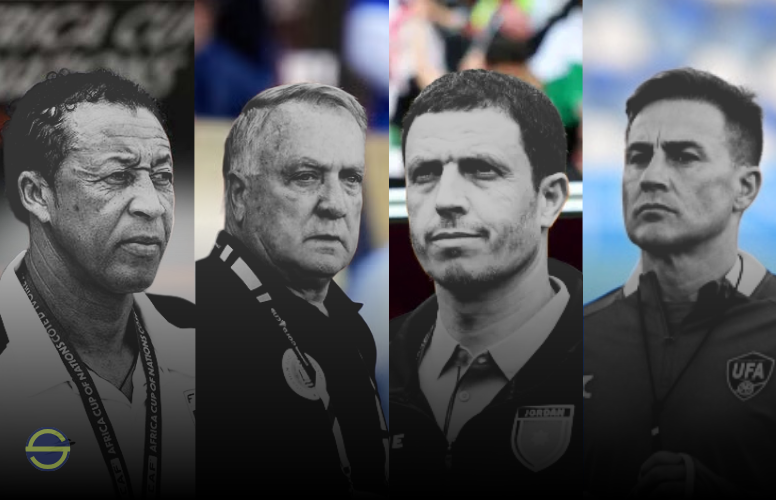
Essas quatro seleções representam quatro histórias de treinadores muito diferentes.
Bubista é o líder local, nascido dentro da mesma cultura futebolística que hoje representa.
Dick Advocaat é o velho sábio, levando décadas de experiência a um país que vive pela primeira vez o sonho da Copa do Mundo.
Jamal Sellami é o guardião da continuidade, protegendo uma ascensão que começou antes de sua chegada e dando a ela uma nova forma.
Fabio Cannavaro é a aposta simbólica: o capitão campeão do mundo escolhido para conduzir uma seleção estreante em seu primeiro encontro com a história.
Seus caminhos são diferentes, mas todos se encontram no mesmo ponto: a Copa do Mundo não pertence apenas às equipes que chegam como favoritas ao título.
É isso que torna 2026 tão especial.
Entre as favoritas, as superestrelas e as potências tradicionais, existem países que participam pela primeira vez e tentam conquistar um espaço na memória do futebol.
Para eles, o sucesso não é medido apenas pela classificação para as fases eliminatórias.
Pode ser um ponto. Um primeiro gol. Uma atuação defensiva inesquecível. Um momento de coragem. Ou simplesmente o ato de entrar em campo e se recusar a ser dominado pelo tamanho da ocasião.
É aí que o romantismo da Copa do Mundo continua vivo.
Porque o maior torneio do futebol não se lembra apenas daqueles que levantam o troféu.
Ele também se lembra de quem percorreu um caminho que parecia impossível apenas para conseguir chegar até lá.